
Die-cut
Die-cut
Filter
Die-cut
Tiles
List
Die-cut
2 Results

Additional Informations
How it works
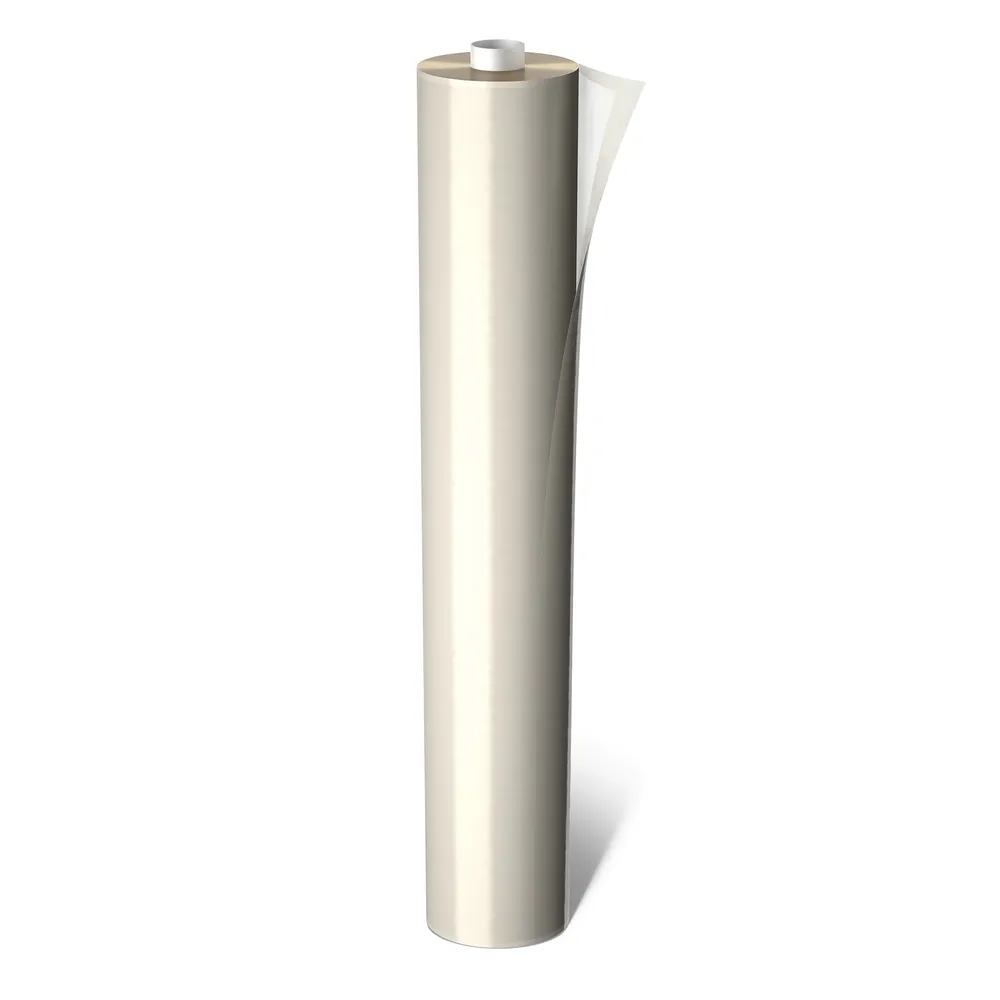
The material is pressed against a custom-shaped tool (a cutting die) or processed on a rotary/flatbed system, and the blade cuts the complete profile in a single stroke. Because the die defines the geometry, every part comes out identical — to tight tolerances and complex outlines that would be slow or impossible to cut by hand.
Benefits
- Precise, repeatable shapes — even complex geometries and tight tolerances
- Ready-to-use parts — no in-house cutting, less waste, faster assembly
- High output — efficient for both large series and smaller runs
- Consistent quality across the entire batch
- Combinable with options such as fingerlift tabs, multi-layer lamination and kiss-cut liners
Die-cut vs. kiss-cut
- Die-cut (through-cut): cuts every layer → separate, individual parts
- Kiss-cut: cuts the material but not the liner → parts stay on a shared backing (peel-and-place)
Applications
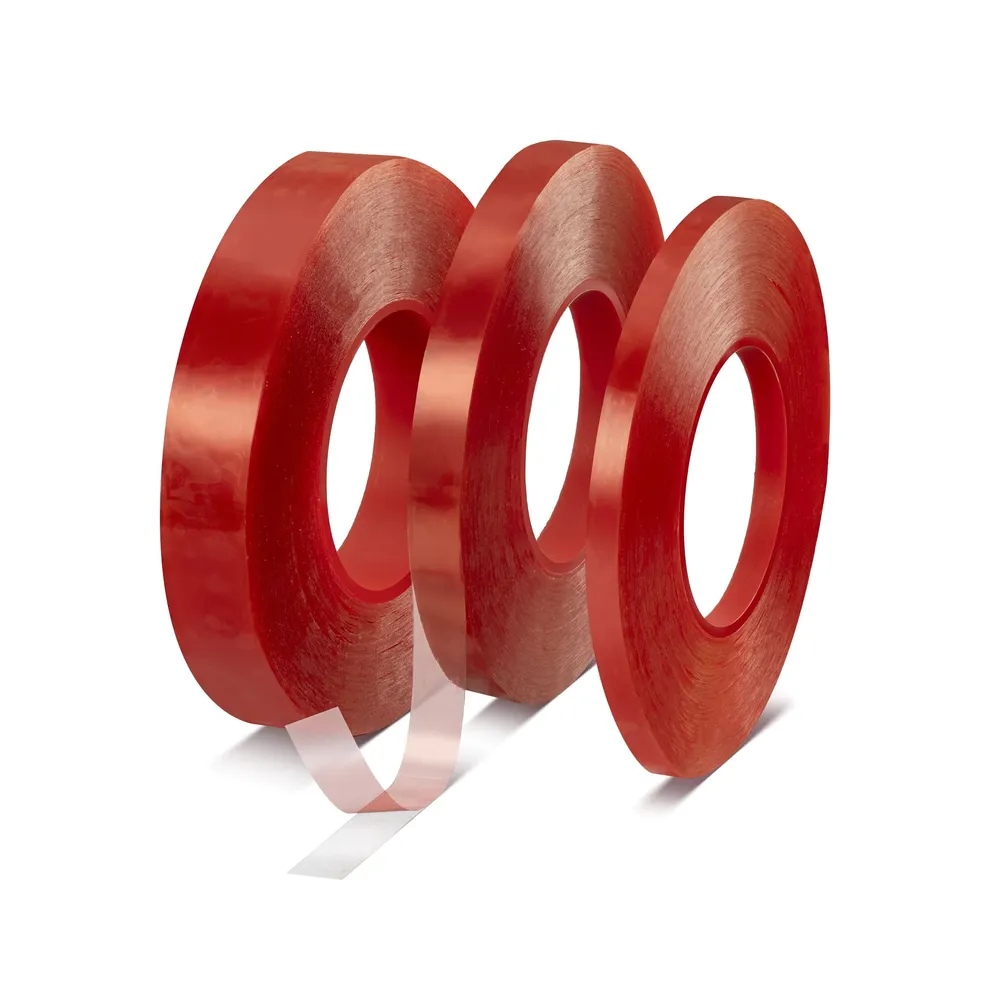
Adhesive mounting components, gaskets and seals, foam and cork spacers, insulation and shielding parts, protective pads, automotive trims and emblems, electronics and appliance components — anywhere a material needs to be delivered as a finished, application-ready shape.
Die-cutting at CVGS
We die-cut tapes, foams, films and technical materials to your exact shape, size and tolerance — supplied as individual parts, on rolls or on sheets, with options including fingerlift, lamination and ISO 8 cleanroom production, plus JIT delivery.