
Slitting

Slitting
Filter
Slitting
Tiles
List
Slitting
2 Results

Additional Informations
How it works
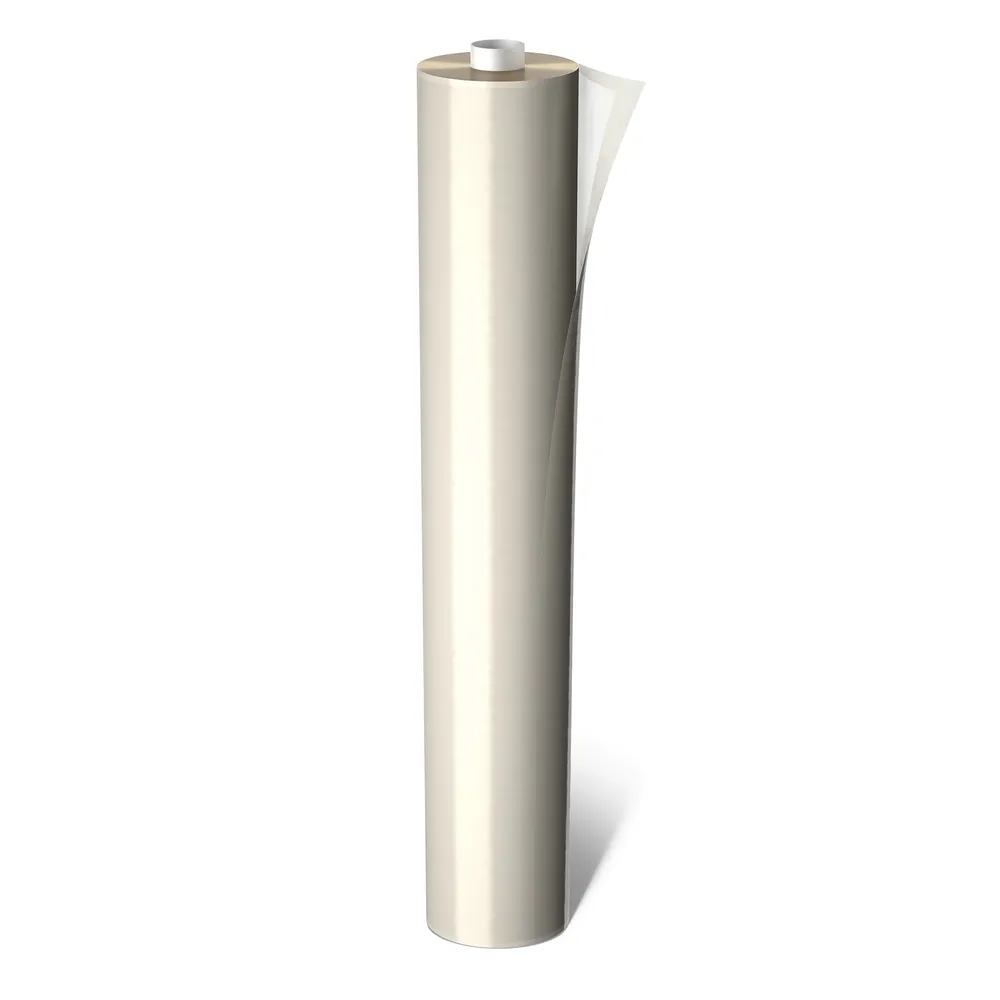
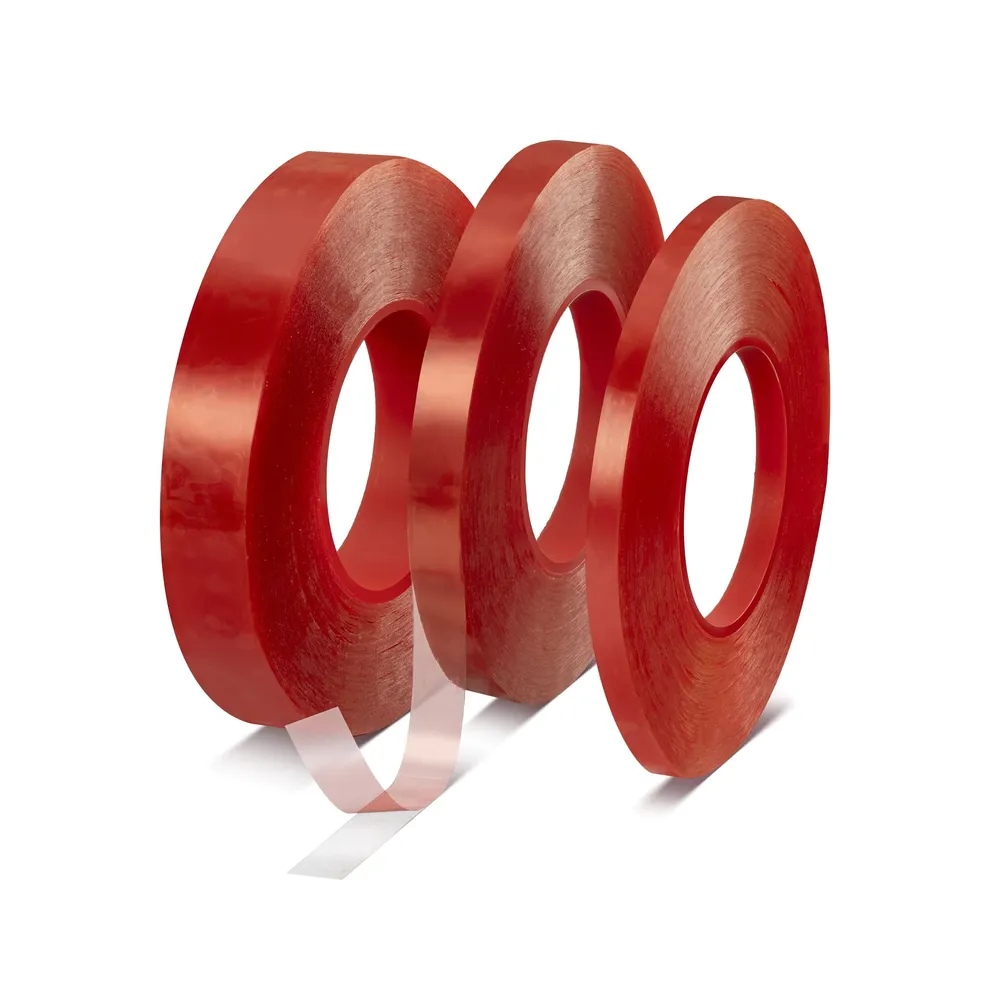
The wide master roll is unwound and passed through a set of blades that cut it into multiple parallel strips, which are then rewound onto cores as finished narrow rolls. Blade type and tension are matched to the material — tapes, foams, films or foils — to give clean, straight edges without adhesive ooze, dust or telescoping. Slit rolls can then be spooled, die-cut, kiss-cut or laminated as needed.
Benefits
- Custom widths — any dimension your product or applicator needs, not just standard sizes
- Clean, straight edges — precise, burr-free cuts with consistent width tolerance
- Less waste — order only the width you use
- Ready for the next step — feeds directly into spooling, die-cutting or application equipment
- Suitable for large series and smaller runs alike
Slitting vs. die-cutting
- Slitting: cuts lengthwise into narrower rolls (defines width)
- Die-cutting: cuts across the material into finished shapes (defines the part geometry)
Applications
Narrow-width tapes for automated dispensing, wire-harness and cable taping, edge and surface protection, sealing strips, and any process that needs tape or film in a specific width — as a finished roll or as an intermediate step before further converting.
Slitting at CVGS
We slit tapes, foams, films and foils to your exact width and length — supplied as clean, ready-to-use rolls, and combinable with spooling, die-cutting, kiss-cut, lamination and ISO 8 cleanroom production, with JIT delivery.