
Lse (low surface energy)
Lse (low surface energy)
Filter
LSE (low surface energy)

Additional Informations
How it works
LSE adhesives use tackified or modified formulations (typically specialised acrylics) that wet out and flow into the surface even at low surface energy, maximising real contact area and building adhesion quickly. This delivers strong initial tack and high ultimate bond strength on substrates where conventional pressure-sensitive adhesives would peel or fail — often without the primers or surface treatments those substrates would otherwise require.
Benefits
- Reliable bonding to hard-to-stick plastics (PP, PE, TPO, EPDM) and powder-coated surfaces
- Often eliminates the need for primers, flaming or surface pre-treatment
- Strong initial tack and high long-term holding strength
- Durable bonds under temperature, load and environmental exposure
- Faster, cleaner assembly than mechanical fasteners or liquid adhesives
Applications
Automotive interior and exterior components (many use LSE plastics), appliance (AGD) assembly, electronics housings, signage and displays, and any bonding or mounting task involving polyolefin plastics or powder-coated metal.
LSE materials at CVGS
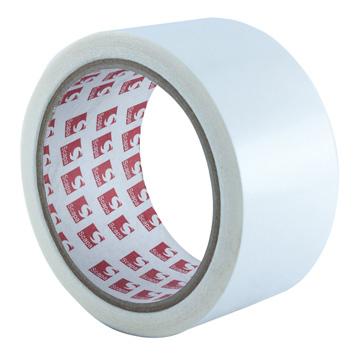
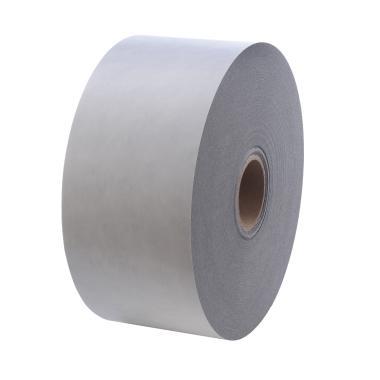
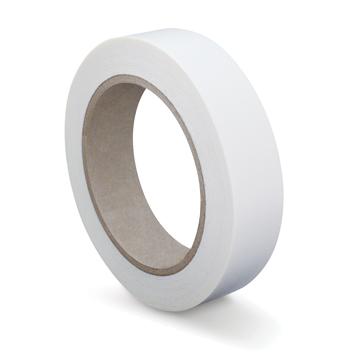
We supply and convert LSE (low surface energy) adhesive tapes — die-cut, kiss-cut or slit to your exact shape and tolerance — and help you select the right adhesive for your specific substrate, so parts bond reliably without extra surface preparation, with ISO 8 cleanroom production and JIT delivery.