
Electrical insulation (dielectric)
Electrical insulation (dielectric)
Filter
Electrical Insulation (Dielectric)
Tiles
List
Electrical Insulation (Dielectric)
1 Result

Additional Informations
How it works
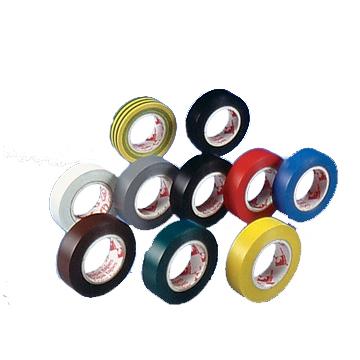
Insulating performance comes from non-conductive backings — such as polyimide (e.g. Kapton-type), polyester (PET), PVC, glass cloth or crepe paper — combined with insulating adhesives. Two properties define the performance: dielectric strength (the voltage the material withstands before breakdown, e.g. kV per layer) and the operating temperature range. The material maintains this barrier under heat, humidity and mechanical stress, keeping adjacent conductors safely separated.
Benefits
- Prevents short circuits and arcing between conductive parts
- High dielectric strength — reliable isolation at defined voltages
- Wide temperature range — from general-purpose PVC to high-temperature polyimide/glass-cloth grades
- Bonds, covers and separates in one thin, conformable part
- Often combined with flame retardancy and electrolyte resistance for battery and motor use
Applications
Wire-harness and cable insulation, motor and transformer/coil winding, busbar and tab insulation, battery cells, modules and packs, flexible printed circuits, and any assembly where conductive parts must be safely separated.
Electrical insulation materials at CVGS
We supply and convert electrical insulation tapes and films — polyimide, PET, PVC, glass cloth and crepe — die-cut, kiss-cut or slit to your exact shape and tolerance, with expert selection by dielectric strength and temperature class, plus ISO 8 cleanroom production and JIT delivery.