
Electrical conduction
Electrical conduction
Filter
Electrical Conduction

Additional Informations
How it works
Conduction is enabled by conductive constituents — filled conductive adhesives, metal foils (copper, aluminium), metallised or carbon-loaded fabrics and nonwovens. The path can run through the thickness (Z-axis), across the surface (X-Y), or both, and is characterised by contact resistance and surface/volume resistivity. This lets one thin, conformable part hold an assembly together and provide a stable, repeatable electrical connection.
Benefits
- Combined mechanical fixing and electrical path in a single part
- Low, stable contact resistance and reliable grounding
- Static (ESD) dissipation for sensitive electronics
- Shield-to-ground continuity for EMI/RFI performance
- Thin, die-cuttable alternative to solder joints, screws or clips
Applications
Grounding and bonding straps, EMI/RFI shield termination, flexible printed circuits, antennas and sensors, ESD-protected assemblies, battery and e-mobility modules.
Conductive solutions at CVGS
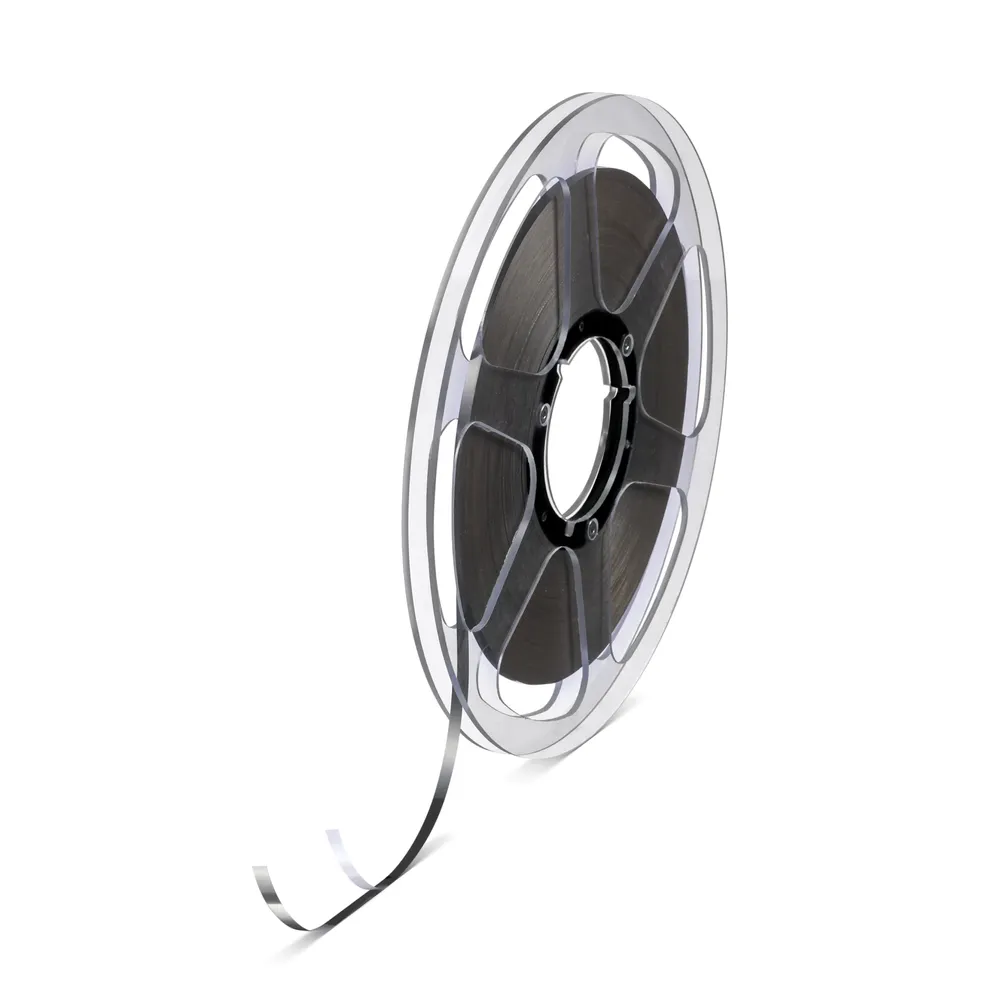
We supply and convert electrically conductive tapes, foils and fabrics — Z-axis or surface-conductive — die-cut, kiss-cut or slit to your exact shape and tolerance, with expert selection for grounding, shielding and ESD needs, ISO 8 cleanroom production and JIT delivery.