
Thermal conductivity (thermal management)

Thermal conductivity (thermal management)
Filter
6935c6e19cc97f4259f395c6
Tiles
List
Thermal Conductivity (Thermal Management)
12 Results
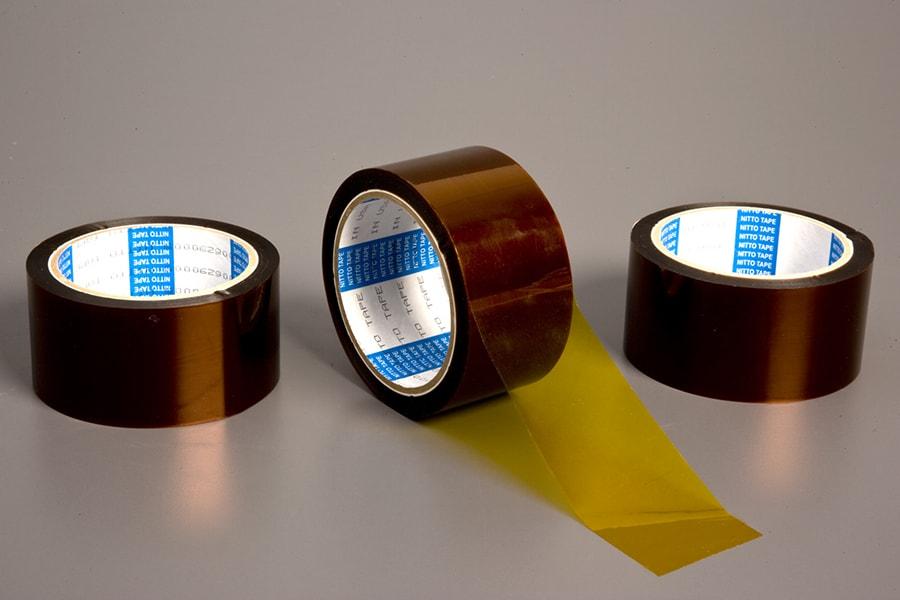

1-MIL KAPTON™ POLYIMIDE FILM P-224
H.B. Fuller EV Therm 602
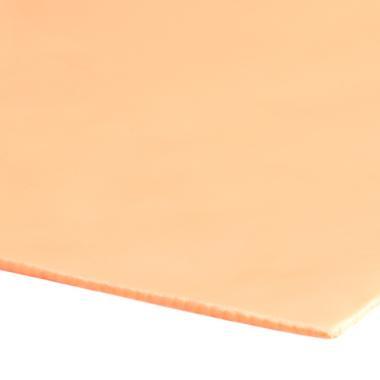
Saint-Gobain ThermaCool TC2007G, orange, 0.5 mm – 7 mm

Saint-Gobain ThermaCool TC2009, blue, 0.5 mm – 7 mm
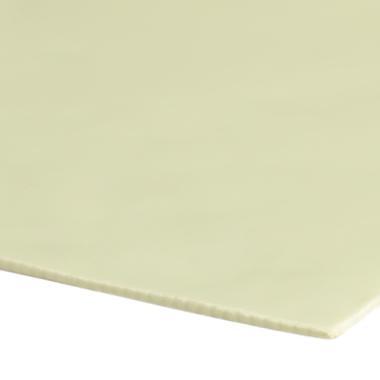
Saint-Gobain ThermaCool TC3006S, green, 0.5 mm – 7 mm
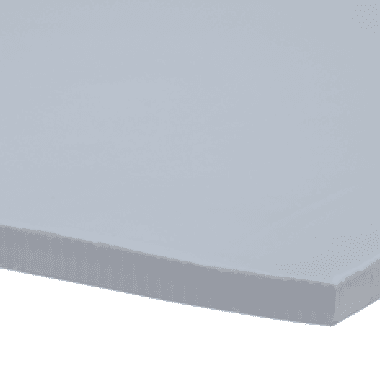
Saint-Gobain ThermaCool TC3008, blue, 0.5 mm – 7 mm
Additional Informations
What it is
Thermal conductivity is a material function in which a tape, foam or film is engineered to transfer heat efficiently between components — moving heat away from a hot part (such as a chip, cell or LED) to a heat sink, housing or cooling surface. These thermally conductive materials bond, gap-fill or insulate while at the same time providing a low-resistance thermal path, a core function in electronics and battery thermal management.
How it works
Standard adhesives and foams are thermal insulators; thermally conductive grades are loaded with conductive fillers (e.g. ceramic or other thermally conductive particles) to raise thermal conductivity while keeping the material soft and conformable. Placed in the gap between a heat source and a cooling surface, the material displaces insulating air, wets both faces to minimise thermal contact resistance, and conducts heat across the joint. Many grades are thermally conductive but electrically insulating, so they transfer heat without creating a short circuit. Performance is defined by thermal conductivity (W/m·K), thickness and compressibility.
Benefits
- Efficient heat transfer — moves heat from source to sink or housing
- Gap filling — displaces insulating air across uneven surfaces, lowering contact resistance
- Thermally conductive and electrically insulating options
- Soft, conformable, low-stress on delicate components
- Combines heat transfer with bonding, cushioning or sealing in one part
Applications
EV battery cells, modules and packs (cell-to-cooling-plate heat transfer), power electronics and inverters, LED lighting, control units and PCBs, telecom and electronics enclosures — anywhere heat must be conducted away to keep components within their operating temperature.
Thermally conductive materials at CVGS
We supply and convert thermally conductive tapes, gap fillers and silicone foams — die-cut, kiss-cut or slit to your exact shape and tolerance — with expert selection by thermal conductivity, thickness and electrical-insulation needs, plus ISO 8 cleanroom production and JIT delivery.