
Die-cutting
Die-cutting
Filter
Die-cutting
Tiles
List
Die-cutting
1832 Results
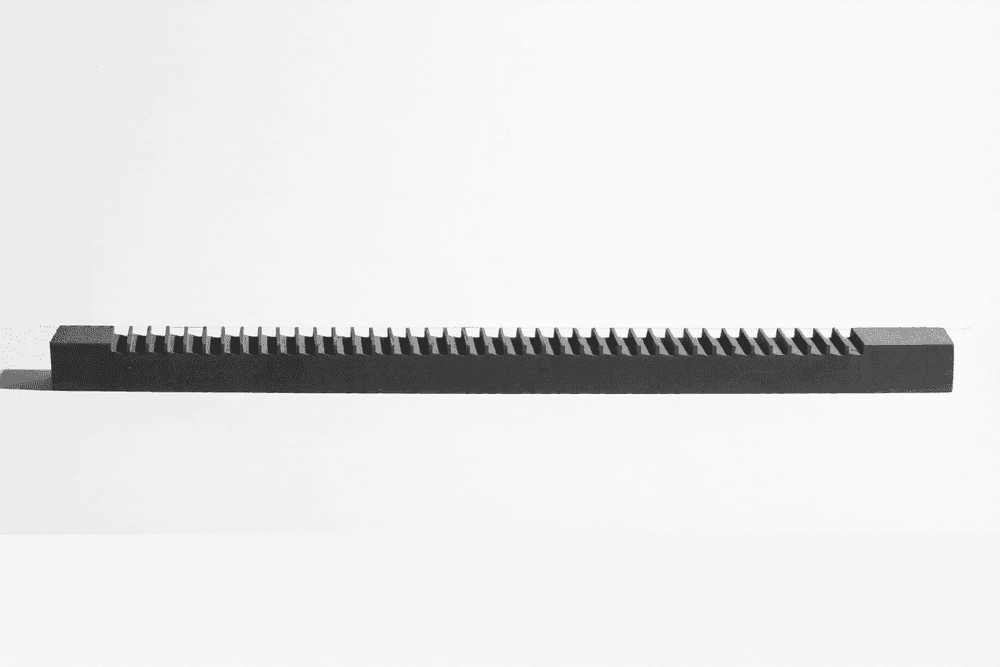

Comb 290x130x25mm, black, made of 90kg/m³ foam
Comb 370x130x25mm, black, made of 90kg/m³ foam
Comb 790x67x55
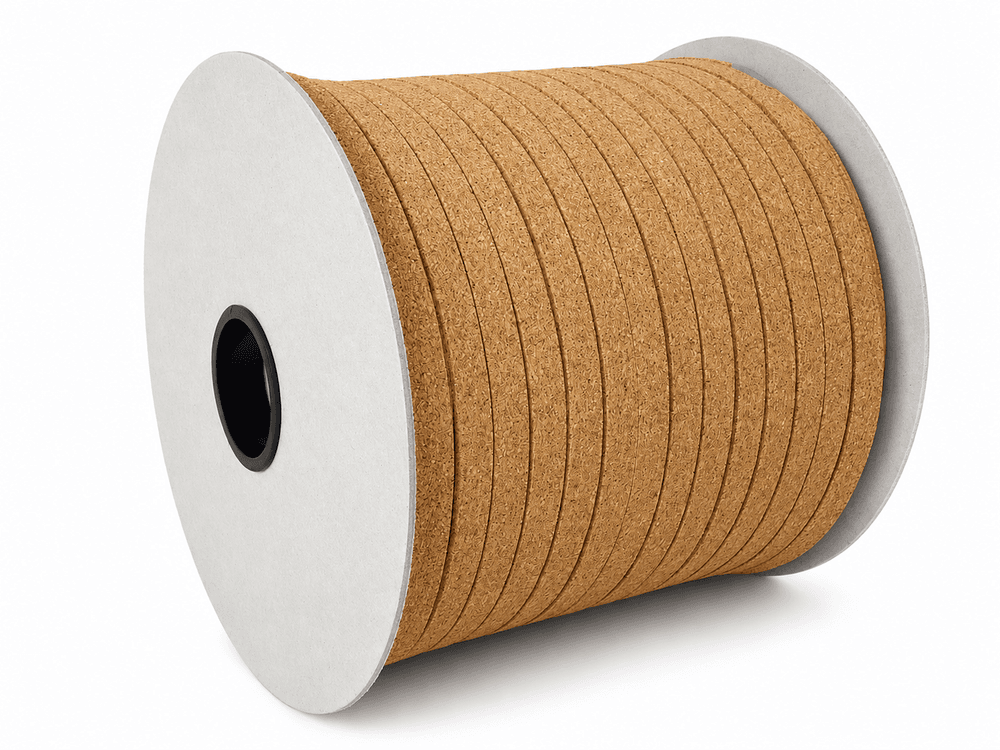
Cork spacer / Bobbins 3x18mm x 300m (Lisec)
Cork spacer / Bobbins 3x18mm x 300m (Lisec) (1 pc)
Cork spacer / Bobbins 3x18mm x 300m (Lisec) (S)
Additional Informations
How it works
A custom tool is manufactured to your part geometry and mounted on a flatbed or rotary press. The material is fed in and the die punches out each part — as a through-cut (fully separated individual parts) or as a kiss-cut (cut to the liner, leaving parts on a shared backing). The surrounding waste (matrix) is removed, and finished parts are delivered as individual pieces, on rolls or on sheets.
Benefits
- Precise, repeatable shapes — complex outlines and tight tolerances, identical across the whole batch
- High output — highly efficient for medium and large series
- Ready-to-use parts — no in-house cutting, less waste, faster assembly
- Clean edges and consistent quality
- Combinable with fingerlift tabs, multi-layer lamination and kiss-cut liners
Die-cutting vs. cutting (wycinanie)
- Die-cutting (punching): uses a dedicated shaped die/tool → fast, ideal for higher volumes and complex, repeatable shapes
- Cutting (wycinanie): blade/plotter cutting without a full die → flexible, ideal for prototypes, low volumes and quick shape changes
Applications
Adhesive mounting components, gaskets and seals, foam and cork spacers, insulation and shielding parts, protective pads, automotive trims and emblems, electronics and appliance components — anywhere a material must be delivered as a finished, application-ready shape.
Die-cutting at CVGS
We die-cut tapes, foams, films and technical materials to your exact shape, size and tolerance — supplied as individual parts, on rolls or on sheets, with options including fingerlift, lamination and ISO 8 cleanroom production, plus JIT delivery.