
insulation
insulation
Filter
685b1c2028618ac01e20c359
Tiles
List
Insulation
178 Results

6060 – Plasticised self-adhesive PVC tape
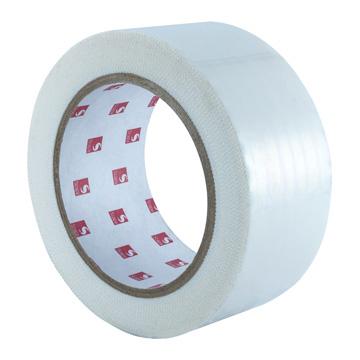
625 – Splicing and sheathing tape – red or white, with aggressive acrylic adhesive, 3.7 mil
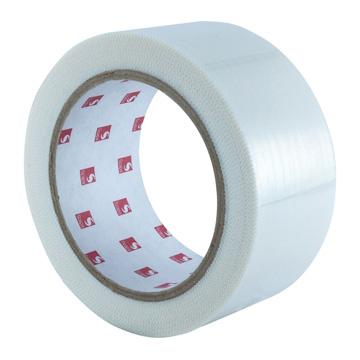
627 – Joining and sheathing tape – red, white, transparent – with aggressive acrylic adhesive, 3.0 mil
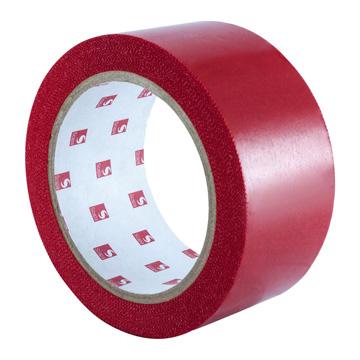
637 – Scapa 637 splicing and sheathing tape – Red, 2.6 mil
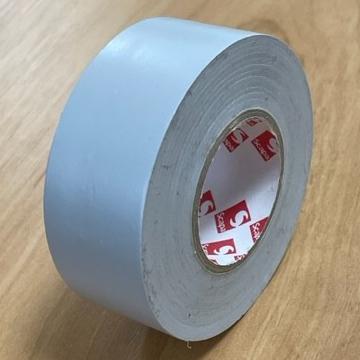
75 – Self-vulcanising silicone tape
85 – Stress control compound, electrically insulating
Additional Informations
The three types of insulation
- Electrical insulation (dielectric) — blocks the flow of current and prevents short circuits between conductive parts. Uses non-conductive backings (polyimide, PET, PVC, glass cloth), defined by dielectric strength and temperature range. For wire harnesses, motor windings, busbars and battery packs.
- Thermal insulation — slows the transfer of heat, keeping it in, out or away from sensitive parts. Uses low-conductivity closed-cell foams, silicone sponges and glass/ceramic layers. For heat shielding, HVAC, appliances and battery packs.
- Acoustic insulation — reduces airborne noise transmission by absorbing and blocking sound. Uses sound-absorbing foams and nonwoven felts with mass-barrier layers. For vehicle cabins, electric motors, appliances and HVAC.
How it works
Each type uses a material engineered to resist energy transfer rather than carry it — a non-conductive dielectric layer, a low-thermal-conductivity foam that traps air, or a porous/mass construction that absorbs and blocks sound. Many products combine functions in one part (for example an insulating layer that is also flame-retardant, or thermally insulating yet electrically insulating).
Benefits
- Prevents short circuits and arcing (electrical)
- Slows heat transfer and stabilises temperatures (thermal)
- Reduces noise for quieter, more comfortable products (acoustic)
- Improves safety, energy efficiency and reliability
- Thin, conformable and die-cuttable — placed precisely where needed, often combining several functions
Applications
Wire harnesses, motor and coil windings, busbar and battery-pack insulation; heat shielding and thermal management in automotive, e-mobility, HVAC and appliances; and noise control in vehicle cabins, electric motors and equipment enclosures.
Insulation materials at CVGS
We supply and convert electrical, thermal and acoustic insulation materials — polyimide, PET, PVC and glass-cloth tapes, closed-cell and silicone foams, and acoustic felts — die-cut, kiss-cut or slit to your exact shape and tolerance, with expert selection by dielectric strength, thermal conductivity or acoustic performance, plus ISO 8 cleanroom production and JIT delivery.