
Kiss-cut tapes for temporary connector fixing on automotive glass

Kiss-cut tapes for temporary connector fixing on automotive glass
Filter
Kiss-Cut Tapes for Temporary Connector Fixing on Automotive Glass
Tiles
List
Kiss-Cut Tapes for Temporary Connector Fixing on Automotive Glass
16 Results
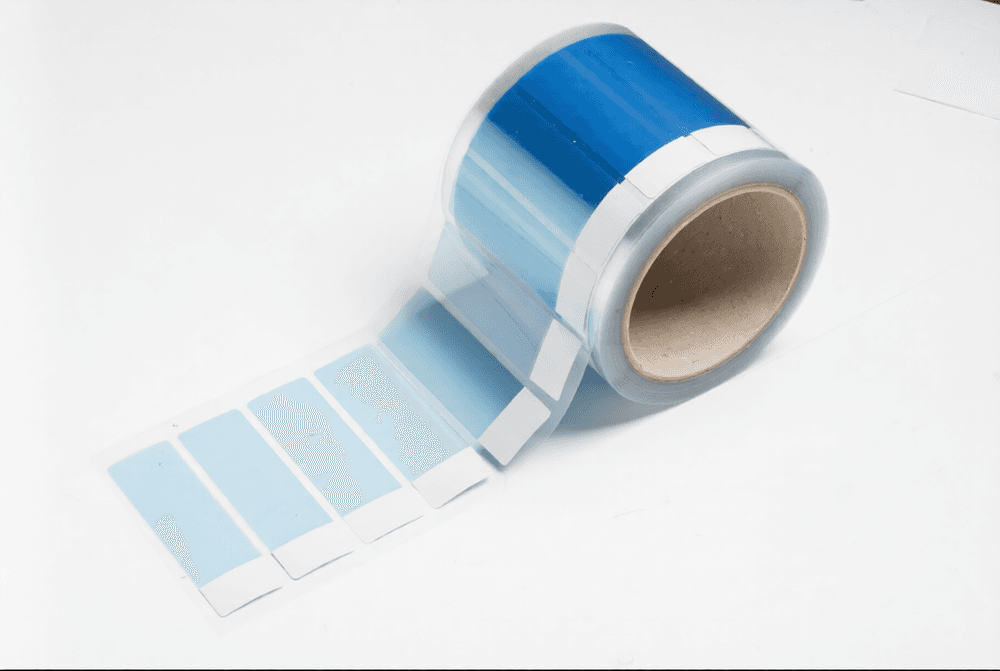
Blank cut from 30 x 10 mm tape with 10 mm fingerlift, 1 roll – 5,400 pcs
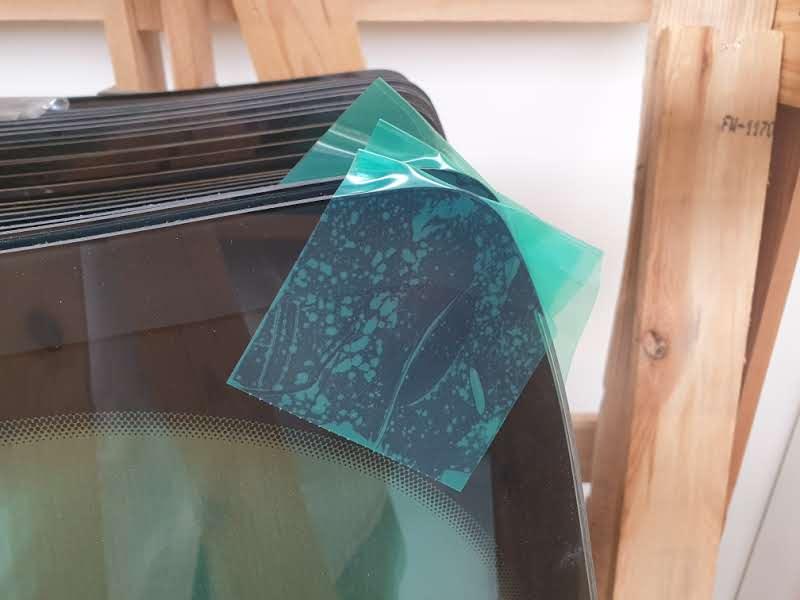
Die-cut GS-15137-348R Tip Tape
Die-cut from 120x25.4mm tape (+15mm liner) with 15mm fingerlift
Die-cut from 120x25.4mm tape with 10mm fingerlift
Die-cut from 120x25.4mm tape with 15mm fingerlift
Die-cut from 200x25mm tape with 10mm fingerlift
Additional Informations
The problem
Automotive glass increasingly reaches the assembly line as a finished module with components already bonded in place: heating connectors, rain and light sensors, mirror buttons, antennas. Between glass production and installation in the vehicle, these parts go through packaging, transport, and unloading. A loose connector:
- knocks against the pane and scratches coatings or the glass itself,
- shifts and peels or strains its own adhesive bond,
- drives up rejects and warranty claims on an expensive part.
A kiss-cut die-cut eliminates this movement, holding the component immobile relative to the glass throughout transport.
What the tape must deliver
This application has specific – and partly conflicting – requirements:
- Secure hold in transit – withstands vibration, shock, and temperature swings inside the trailer
- Clean, residue-free removal – no adhesive or haze left on the glass, which goes straight into the vehicle
- No damage to coatings – must not lift the ceramic frit, printed layer, or functional coatings on the pane
- Temperature resistance – panes are stored and shipped under extreme conditions
- Adhesion to both glass and the connector's plastic housing
Materials
Selection depends on the connector substrate, dwell time on the glass, and transport conditions:
- Removable adhesive tapes – hold securely, then lift off without residue after transport; the foundation of this application
- PET or PE carrier – mechanical strength of the die-cut and clean removal in a single pull
- Acrylic adhesive with controlled tack – tuned to hold through transit yet not "weld" to the glass after weeks of storage
- Tabbed versions (pull-tab) – enable fast removal on the assembly line, no tools required
We work with materials from leading suppliers – 3M, tesa, Nitto, Scapa – selecting an adhesive with the right tack for this application: strong enough for transport, gentle enough for clean release.
Converting at CVGS
- Kiss-cutting – die-cuts on a liner, ready for "peel & place" application on the glazing line
- Shape matched to the connector – tailored to a specific sensor base, connector, or bracket
- Pull-tab for removal – for quick, tool-free release
- Cut to size and production volumes – from prototype to series supply for glass manufacturers
- ISO 8 cleanroom production – cleanliness matters for parts reaching optical surfaces
Who it's for
Automotive glass manufacturers and glass module suppliers (Tier 1/2) – anywhere a pane with a bonded connector must travel safely from production to the vehicle assembly line.
Send us a drawing or sample of the connector and glass – we'll select an adhesive with the right tack and prepare a custom kiss-cut die-cut.